How to Choose the Right Gift Box for Your Brand
The right gift box is the one that protects the product, fits the packing workflow, and supports the intended presentation without adding unnecessary complexity. Start with the product and buying path, then choose the structure. Color, print, and finishing decisions become much easier after those fundamentals are clear.
Start With Product Fit
Measure the product in the orientation it will be packed. Include accessories, protective materials, inserts, tissue, cards, and any space needed for easy removal. External box dimensions alone do not confirm fit; the usable internal space is the important number.
For a multi-item set, sketch the desired arrangement before selecting a structure. A box that looks generous from the outside can still feel crowded when products, inserts, and presentation layers are added.
Compare the Main Gift Box Structures
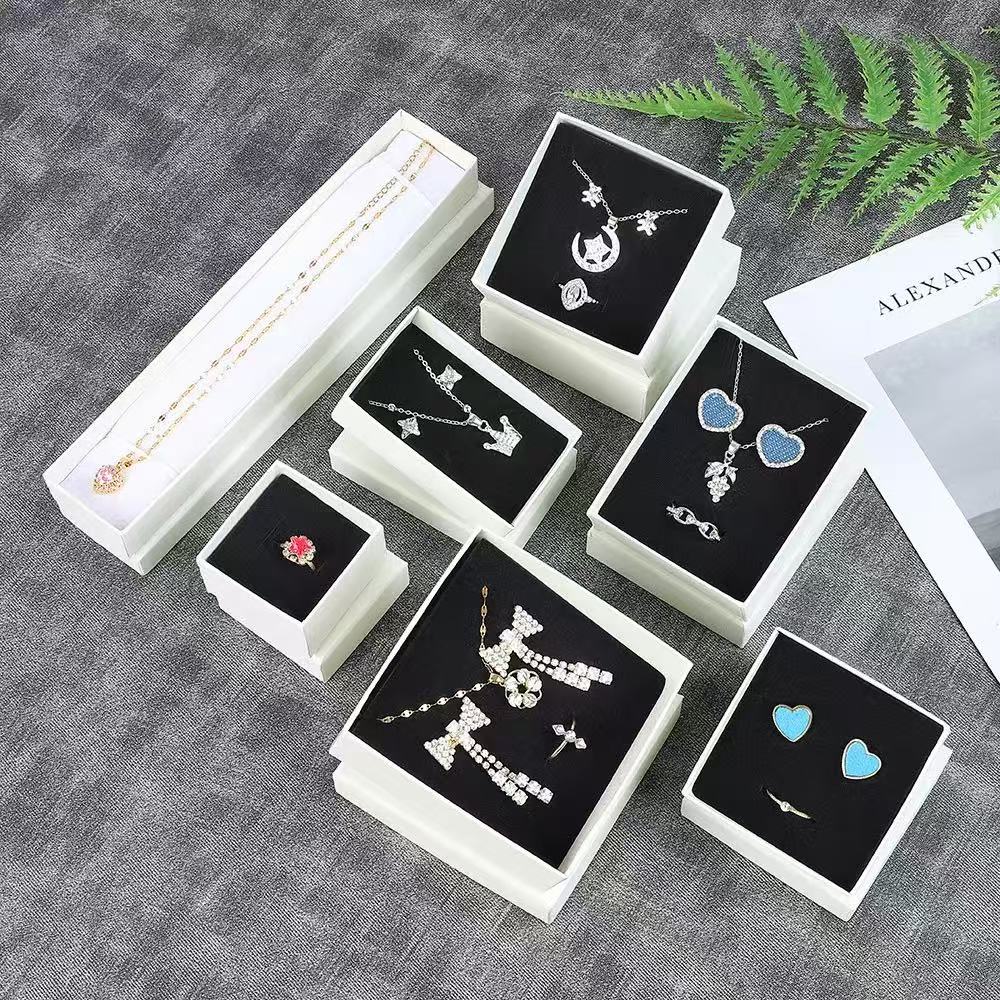
Lid-and-base boxes
A separate lid lifts away from the base. This classic two-piece format can create a clear reveal and works well when the lid depth, product access, and insert are planned together.
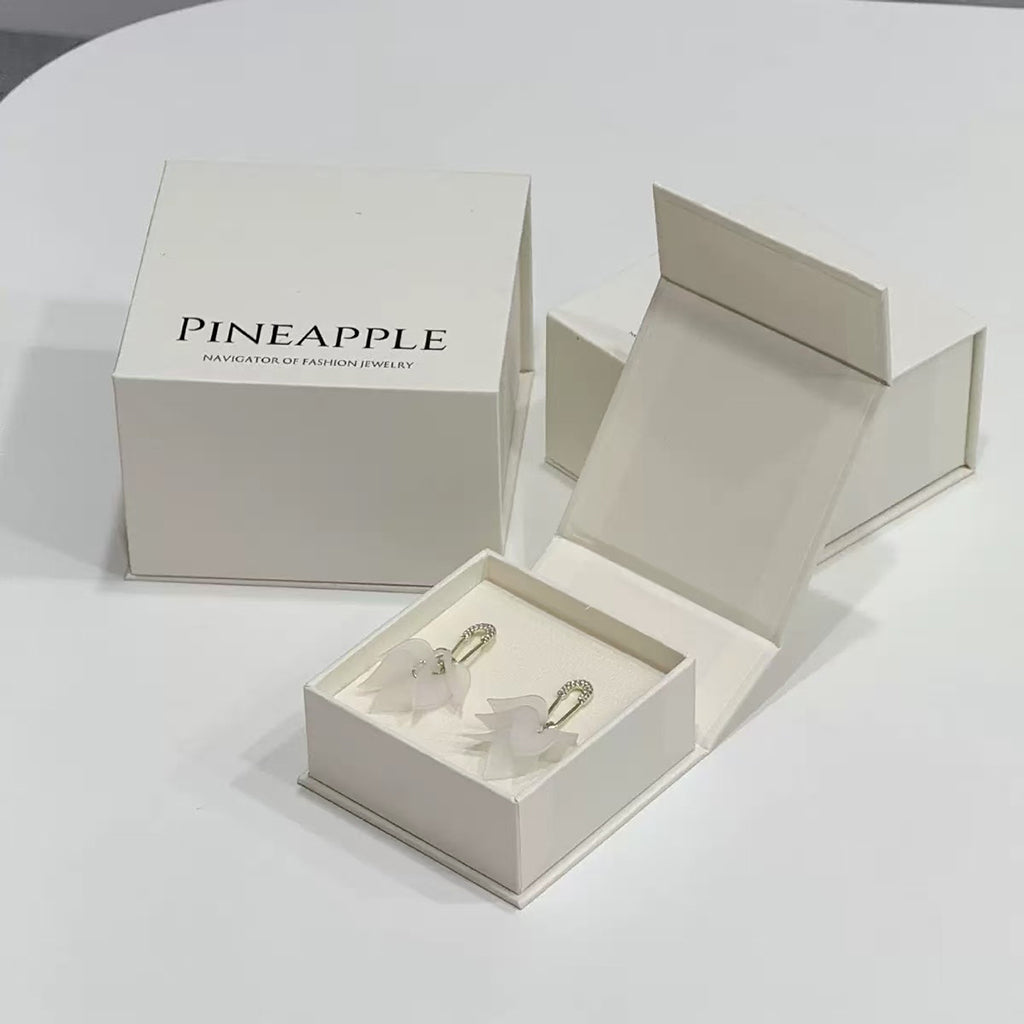
Book-style magnetic boxes
An attached hinged lid closes magnetically. The controlled opening motion can suit presentation sets, retail gifting, and branded projects where the box will be opened on a table or held in the hands.
Drawer boxes
An inner tray slides from an outer sleeve. The pull direction, tray clearance, insert, and product orientation influence how refined the opening feels.
Foldable rigid boxes
A foldable rigid box stores flat and is assembled before packing. It can help a business balance a structured presentation with practical storage. Browse foldable rigid gift boxes to compare ready-stock sizes and styles.
Match the Box to the Packing Workflow
Think about where boxes are stored, who assembles them, how products are inserted, and how finished packages move through the operation. A box can be visually impressive but still create friction if it takes too long to assemble or requires more storage than the workspace allows.
- Choose a ready-formed structure when immediate assembly is not a concern and storage space is available.
- Choose a foldable structure when flat storage and staged assembly better suit the operation.
- Choose a drawer or hinged format when the opening sequence is part of the customer experience.
- Review inserts early when product movement, alignment, or a multi-item layout matters.
Decide Between In-Stock and Custom
An in-stock box is appropriate when an available size, color, and structure meet the project requirements. The in-stock gift box collection provides a direct purchase route for ready-stock packaging.
A custom project is appropriate when the box must be developed around specific dimensions, artwork, inserts, materials, or presentation requirements. Explore custom gift boxes and custom rigid boxes for relevant structures.
Build a Short Selection Brief
Before comparing options, prepare a concise brief:
- Product dimensions, weight, and packed orientation
- Single-product or multi-item arrangement
- Preferred opening style
- Required quantity
- Storage and assembly constraints
- Artwork and preferred logo placement
- Insert, filler, ribbon, or accessory needs
- Destination country and postal code
- Reference images showing the intended look
A Practical Decision Sequence
- Confirm the usable internal space needed for the packed product.
- Choose the opening style that supports the customer experience.
- Review storage, assembly, and packing requirements.
- Check whether a ready-stock option already fits.
- If not, prepare a custom brief before discussing finishes.
When the direction is clear, use the custom packaging quote form to send dimensions, quantity, artwork, destination, and reference images for review.