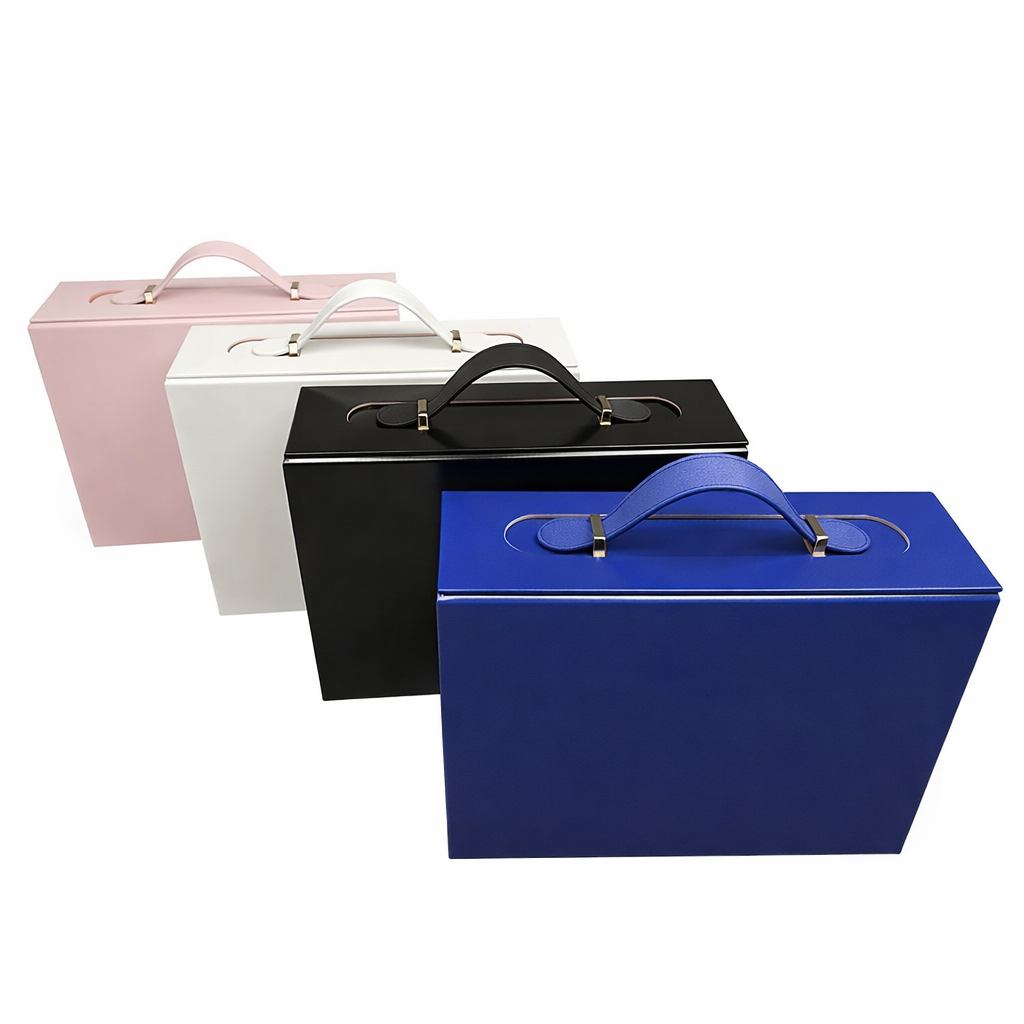
Article: Magnetic Closure Boxes: Structure, Uses & Buying Guide
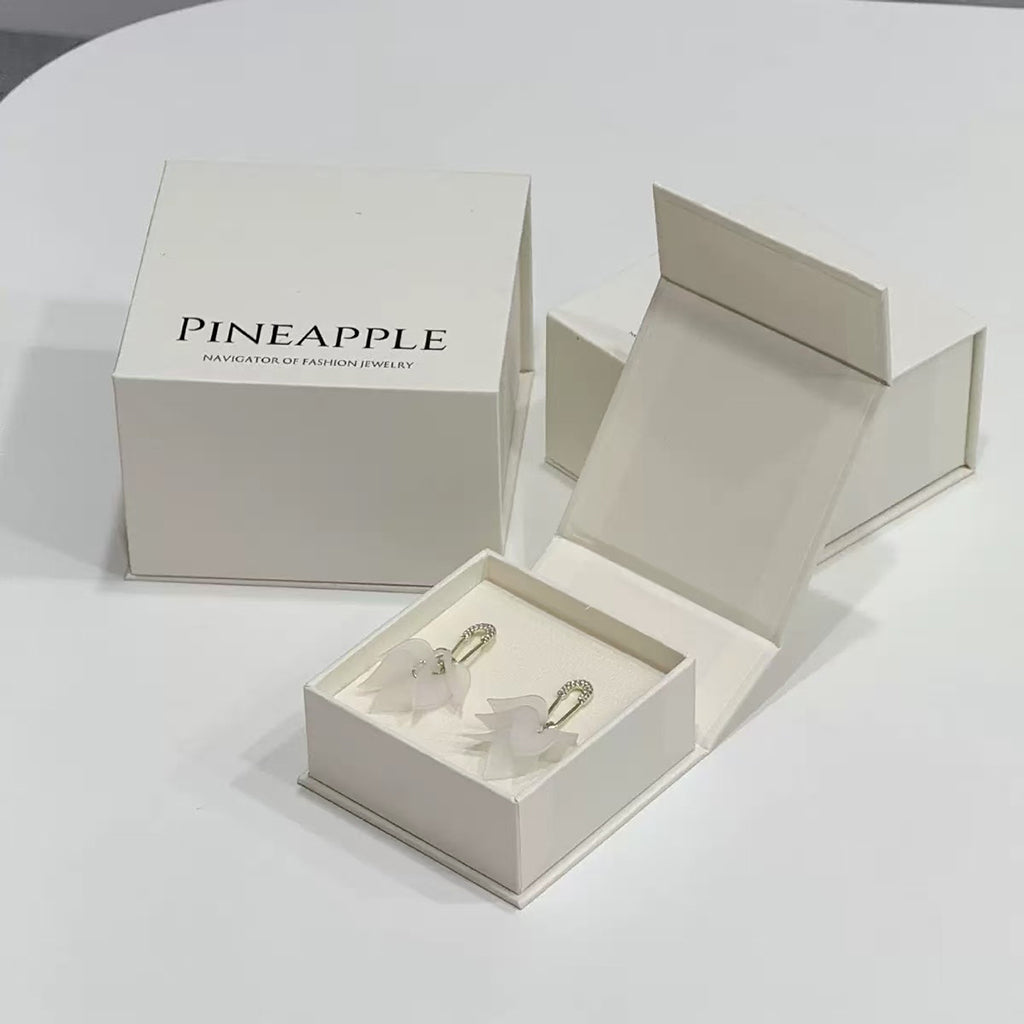
Magnetic Closure Boxes: Structure, Uses & Buying Guide
Magnetic closure boxes create a clean presentation by pairing a hinged lid with a concealed magnetic close. The right choice depends on more than appearance: product fit, storage space, packing workflow, quantity, and whether you need an in-stock box or a fully custom structure all matter.
This guide explains the practical differences so you can choose a buying path without over-specifying the project too early.
How a Magnetic Closure Box Works
A book-style magnetic box opens along one side and closes with magnets positioned within the lid and front wall. The attached lid keeps the opening motion controlled and gives the package a presentation-focused feel. Depending on the construction, the box may arrive as a formed rigid box or as a foldable rigid box that is assembled before packing.
The closure is only one part of the specification. The board structure, wrap, insert, internal dimensions, opening clearance, and packed product weight should be considered together.
Formed Rigid vs. Foldable Magnetic Boxes
Formed rigid construction
A formed rigid box arrives in its finished shape. It can suit projects where the assembled presentation and packing sequence are priorities. Because the box does not collapse, storage and inbound freight volume should be included in planning.
Foldable rigid construction
A foldable magnetic box stores flat and is assembled before use. This can simplify storage for businesses that need a rigid presentation without keeping every box fully formed. Assembly time and the way the corners, adhesive areas, and closure align should be reviewed as part of the packing workflow.
To compare available sizes and colors, browse the foldable rigid gift box collection. A representative ready-stock option is the Large Magnetic Folding Gift Box.
When Magnetic Closure Boxes Make Sense
- Presentation sets: the attached lid keeps the opening experience organized.
- Retail and ecommerce gifting: the box can support a polished handoff when the size and insert match the product.
- Corporate gifts: a structured box can coordinate multiple items when the internal layout is planned first.
- Jewelry, beauty, and accessories: smaller products may benefit from an insert that controls movement and spacing.
A magnetic closure does not automatically make a box suitable for every product. Heavy, fragile, or unusually shaped items require a fit review, and the insert may be more important than the outer box style.
What to Compare Before Buying
- Internal dimensions: compare the usable inside space with the product and any insert, tissue, or filler.
- Opening direction: confirm how the lid opens on the packing table and in the customer's hands.
- Storage and assembly: decide whether flat storage or a ready-formed box better matches your operation.
- Quantity: use the listed product minimum for an in-stock purchase; custom quantities are reviewed by project.
- Branding and insert needs: artwork, placement, finish, and product-fit requirements should be included in a custom inquiry.
Choose the Right Ordering Path
Use an in-stock box when an available size, color, and structure already fit the project. This is the most direct route for standard products that can be packed without a custom structure.
Use a custom route when the internal dimensions, exterior size, board, wrap, insert, branding, or presentation must be developed around the product. Review the custom rigid box collection for structure ideas, then send the product dimensions, quantity, artwork, destination, and reference images through the custom quote form.
Magnetic Box Planning Checklist
- Product dimensions and packed orientation
- Required internal clearance
- Insert, filler, or accessory placement
- Preferred formed or foldable construction
- Quantity and destination postal code
- Logo file and preferred branding location
- Reference images showing the intended presentation
If you are still comparing purchase and quote routes, the FAQ explains how Slate & Fold Packaging separates ready-stock orders from custom packaging projects.